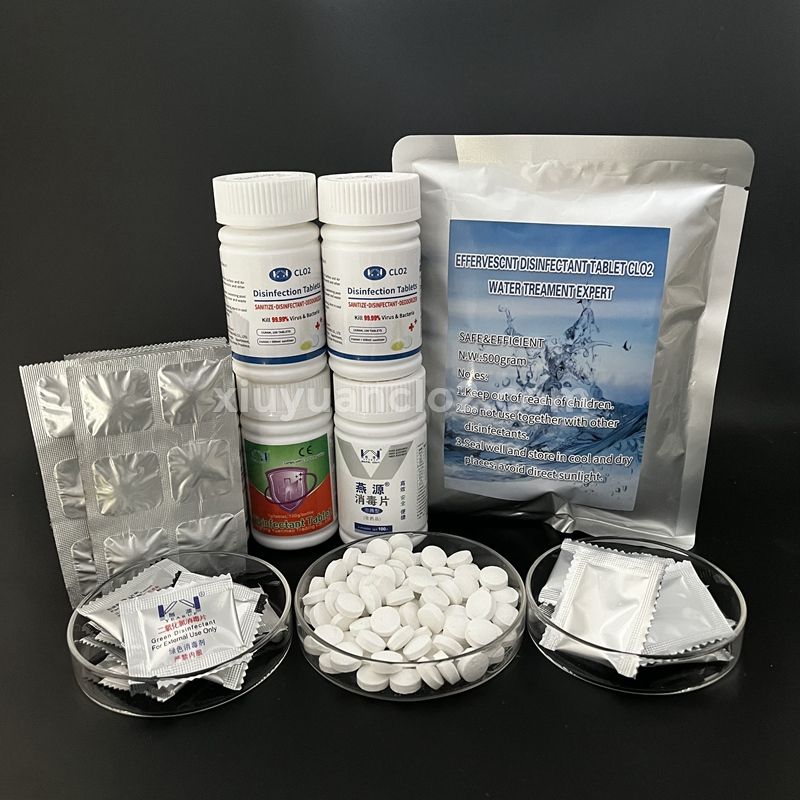
In the realm of pharmaceutical manufacturing, maintaining a sterile environment is paramount to ensuring product quality and compliance with regulatory standards. Chlorine Dioxide (ClO₂) stands out as a crucial component in this process. It is a powerful disinfectant capable of eliminating a wide range of pathogens, including bacteria, viruses, and fungi, making it invaluable for cleanroom sanitization. Its effectiveness lies not only in its potency but also in its ability to neutralize contaminants in a safe and environmentally responsible manner, enhancing operational efficiency and product safety for businesses.
Historically, Chlorine Dioxide was first used in the early 20th century for water treatment and has since evolved into a preferred disinfectant across various industries, especially in pharmaceuticals. Its unique characteristics, such as its gaseous state, which allows it to penetrate hard-to-reach areas, have made ClO₂ an indispensable tool for ensuring cleanroom environments meet stringent regulatory requirements. Today, adherence to standards like those set forth by ASTM (American Society for Testing and Materials) and DIN (Deutsches Institut für Normung) further solidifies its critical role in the pharmaceutical industry.
The practical applications of Chlorine Dioxide in pharmaceutical cleanroom sanitization are vast. It effectively eliminates biofilms, bacteria, and viruses on surfaces, air, and even equipment, ensuring that sterile products are free from contamination. Implementing ClO₂ Disinfection Solutions not only protects the integrity of pharmaceuticals but also minimizes the risk of costly recalls and potential harm to patients. With an efficacy rate often exceeding 99.9%, businesses can trust chlorine dioxide's comprehensive approach to maintaining a cleanroom's environment.
Despite its advantages, there are common misconceptions surrounding Chlorine Dioxide. Some believe that chlorine-based disinfectants can leave harmful residues. However, ClO₂ breaks down into harmless byproducts, primarily salt and water, once it performs its disinfecting function. Additionally, another error is underestimating its concentration and application process. Effective ClO₂ disinfection requires careful management of dosage and contact time, typically adhering to specified testing standards, to ensure optimal outcomes.
Several case studies illustrate the effectiveness of ClO₂ in pharmaceutical environments. For instance, a major pharmaceutical company utilized ClO₂ for their monthly cleanroom sanitation, reducing microbial counts by over 90% within hours of application. Their operational audits revealed a marked improvement in compliance checks relative to products manufactured in traditional cleanrooms. This not only enhanced their market reputation but also significantly reduced their operational downtime due to contamination-related issues.
To summarize, Chlorine Dioxide plays a vital role in pharmaceutical cleanroom sanitization, combining high-level disinfectant properties with safety and environmental considerations. With its historical significance and robust application in maintaining cleanliness, it is essential for the pharmaceutical industry to embrace ClO₂ Disinfection Solutions from trusted providers like Xiuyuan. By understanding its function and benefits, businesses can enhance product safety, ensure compliance, and optimize their cleanroom environments. For further insight into Chlorine Dioxide’s capabilities, feel free to explore more about Xiuyuan’s innovative solutions here and experience the transformation in your cleanroom sanitization processes.