The growing problem of microbial resistance poses a significant threat to public health and safety across industries. In our daily lives, we often rely on various disinfectants to protect us from pathogens, yet many of these substances are losing their potency. This phenomenon is largely due to overuse and misuse, leading to a concerning rise in resistant strains of bacteria. The implications are severe: hospitals report increased infection rates, food safety standards fluctuate, and businesses face potential legal ramifications. As we explore this urgent issue, it becomes clear that finding effective solutions is not just a priority—it is a necessity.
Microbial resistance is fueled by numerous factors. Primarily, the indiscriminate use of antibiotics in both human medicine and agriculture has accelerated the evolution of resistant bacteria. The Centers for Disease Control and Prevention (CDC) cites that around 2 million people in the United States are infected by antibiotic-resistant bacteria each year, leading to at least 23,000 deaths. Additionally, inadequate infection control measures in healthcare settings, frequent use of disinfectants that organisms can adapt to, and insufficient comprehension of microbial behavior further exacerbate the problem. Understanding these underlying causes helps underscore the urgency of addressing resistant strains.
From an industry perspective, the financial burden posed by microbial resistance is alarming. Hospitals often face increased operational costs due to extended patient stays and the need for more intensive care. According to a report from the World Health Organization (WHO), antimicrobial resistance could push global healthcare expenses up by a staggering $300 billion annually by 2030. Businesses also encounter repercussions in the form of brand damage as foodborne illnesses linked to resistant strains can erode consumer trust, leading to lost sales. The systematic implications of ignoring microbial resistance are vast, impacting every sector from healthcare to agriculture.
In looking to combat microbial resistance, data and case studies are invaluable. Take, for example, a study conducted with hospitals utilizing ClO₂ disinfection solutions, which have shown a 99.9% reduction rate of resistant bacteria on surfaces. Facilities that adopted chlorine dioxide treatments noted a significant drop in hospital-acquired infections, affirming the chemical's efficacy against a wide range of microbial threats. The ASTM E1153 standard for disinfection testing has also validated the performance of ClO₂, offering a reliable benchmark for its effectiveness. Such evidence bolsters the argument for integrating chlorine dioxide into disinfection protocols.
However, neglecting to adopt effective microbial management strategies poses severe risks. Beyond immediate health threats, organizations that fail to address microbial resistance may find themselves tangled in legal battles stemming from outbreaks, not to mention substantial financial losses. For example, a single door-to-door cleaning service that encountered an outbreak linked to inadequate disinfectant use was met with class-action litigation, emphasizing the urgent need for systems that strictly adhere to modern standards like those set by the EPA and CDC. As lifestyles and business operations evolve, so too must our methods of disinfection, particularly to safeguard against microbial resistance.
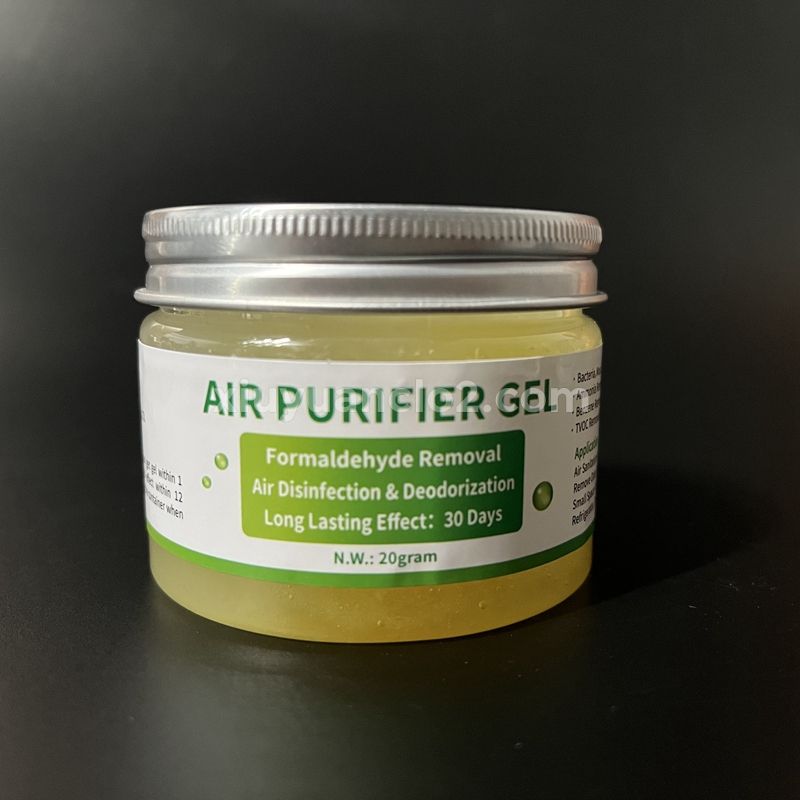
In summary, the necessity of effective disinfection solutions such as those offered by Xiuyuan cannot be overstated. Microbial resistance is a multifaceted issue that, if left unaddressed, threatens public health, business stability, and safety standards. By incorporating proven methods like ClO₂ disinfection solutions, we not only protect our current interests but also fortify our defenses against future challenges. I urge you to consider implementing these strategies in your organization or personal space. The health of your community and the efficacy of your operations depend on it. For more insights, check out Xiuyuan's comprehensive resources on effective disinfection at www.xiuyuanclo2.com.