Slaughterhouses require strict hygiene control at every stage of operation. From animal holding areas and slaughtering lines to meat washing, equipment sanitation, floor cleaning and wastewater treatment, microbial control is essential for reducing cross-contamination and improving food safety. Chlorine dioxide (ClO2) is widely used as an effective disinfectant in slaughterhouse sanitation because it helps control bacteria, viruses, odors and organic contamination in processing environments.
Compared with ordinary chlorine-based disinfectants, chlorine dioxide is valued for its strong oxidation ability, broad-spectrum disinfection performance and good effectiveness in complex environments. In slaughterhouses, it can be applied to water treatment, surface disinfection, equipment cleaning and odor control when used according to proper operation procedures and local regulatory requirements.
Why Use Chlorine Dioxide Disinfectant in Slaughterhouses?
During slaughtering and meat processing, microorganisms can spread through water, tools, working tables, floors, walls, transport containers and employee movement. If these areas are not properly cleaned and disinfected, bacteria and pathogens may remain on surfaces and increase the risk of contamination.
Chlorine dioxide disinfectant helps slaughterhouses build a more complete sanitation system. It can be used before, during and after processing to reduce microbial load and maintain a cleaner production environment. It is especially suitable for areas that require repeated cleaning, such as slaughtering rooms, cutting areas, drainage systems, washing zones and equipment surfaces.
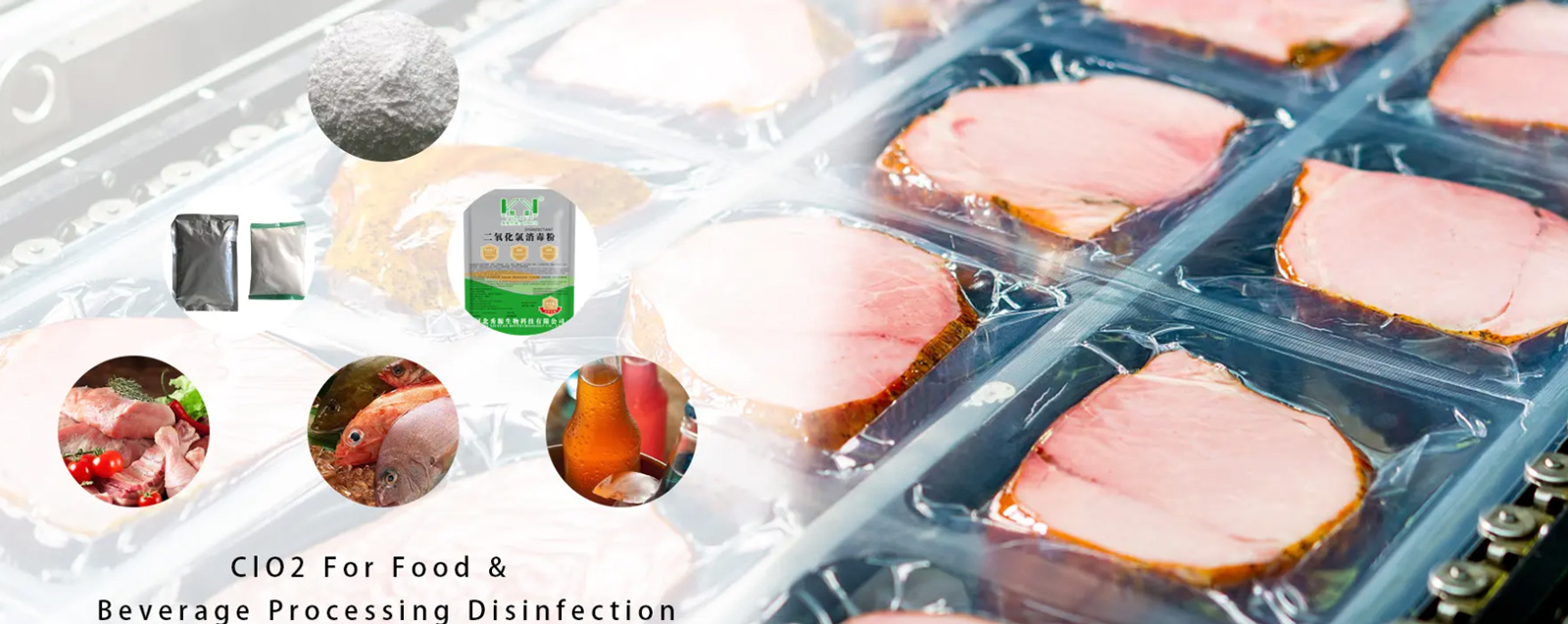
Main Applications of Chlorine Dioxide in Slaughterhouse Sanitation
1. Pre-Disinfection of the Slaughtering Area
Before animals are brought into the slaughtering area, chlorine dioxide disinfectant can be used to sanitize the processing environment. This includes floors, walls, drainage channels, working tables, holding areas and other contact surfaces. Pre-disinfection helps reduce the microbial load in the facility and prepares a cleaner environment for the next production cycle.
2. Meat Washing and Hygiene Control
After slaughtering, meat may be washed with an approved chlorine dioxide solution where permitted by local food safety regulations. This step helps reduce surface contamination and supports better hygiene during meat handling. Proper concentration, contact time and rinsing procedures should be followed according to application guidelines and regulatory standards.
3. Disinfection of Equipment and Tools
Knives, hooks, cutting boards, conveyors, containers, meat processing equipment and other tools may carry bacteria if they are not disinfected regularly. Chlorine dioxide can be used as part of the cleaning and sanitation process to help prevent the spread of microorganisms between different processing steps.
Regular disinfection of tools and equipment is especially important in high-contact areas, including slaughtering lines, trimming stations, cutting rooms and packaging preparation zones.
4. Cleaning Floors, Walls and Work Surfaces
Floors, walls and other surfaces in slaughterhouses are often exposed to blood, fat, tissue residues and wastewater. These organic materials may support bacterial growth and unpleasant odors if not removed in time. Chlorine dioxide disinfectant can be used after basic cleaning to disinfect surfaces and help control odor in the working environment.
For better results, visible dirt and organic residues should be removed before applying disinfectant. This helps chlorine dioxide work more effectively on the target surfaces.
5. Staff Hygiene and Protective Measures
Disinfection products should be used together with good hygiene management. Staff working in slaughtering and processing areas should wear protective clothing, gloves, masks and other necessary equipment. Footbaths, handwashing stations and tool disinfection points can also be set up to reduce the risk of cross-contamination caused by personnel movement.
Chlorine dioxide disinfection is not a replacement for hygiene procedures, but it can support a complete sanitation system when combined with proper staff protection and cleaning routines.
6. Final Cleaning Before Meat Transportation
Before meat is transported out of the slaughterhouse, an additional hygiene control step may be applied to reduce remaining contamination risks. Chlorine dioxide solution can be used in approved processes to support final sanitation before storage, cold chain transfer or further processing.
This step is especially useful for slaughterhouses that need to maintain stable hygiene standards during large-scale production and transportation.
7. Wastewater Treatment in Slaughterhouses
Slaughterhouse wastewater may contain blood, grease, suspended solids and microorganisms. Chlorine dioxide can be used in wastewater treatment systems to help disinfect wastewater before discharge or further treatment. It supports microbial control and helps reduce odor problems caused by organic waste.
For slaughterhouses, proper wastewater disinfection is important not only for environmental protection, but also for improving the overall sanitation level of the facility.
Benefits of Chlorine Dioxide for Slaughterhouse Disinfection
Broad-spectrum disinfection for bacteria, viruses and other microorganisms
Suitable for water, surfaces, equipment and sanitation areas
Helps reduce cross-contamination during slaughtering and processing
Supports odor control in slaughterhouse environments
Effective for cleaning systems, pipelines and wastewater treatment
Can be used as part of daily, weekly and deep-cleaning sanitation plans
Available in different product forms such as tablets, powder and liquid solutions
Recommended Chlorine Dioxide Products for Slaughterhouses
Xiuyuan provides different chlorine dioxide products for industrial and food-related sanitation applications, including chlorine dioxide tablets, stabilized chlorine dioxide powder, two-component chlorine dioxide powder and chlorine dioxide liquid. These product forms can be selected according to the application scenario, required concentration, facility size and operation method.
For slaughterhouse sanitation, customers may choose suitable ClO2 products for:
Slaughtering area disinfection
Equipment and tool sanitation
Floor and wall cleaning
Wastewater disinfection
Odor control
Water system treatment
Transport container disinfection
Customized packaging, concentration and OEM solutions are also available for distributors, food processing companies and industrial sanitation service providers.
How to Use Chlorine Dioxide Safely in Slaughterhouses
When using chlorine dioxide disinfectant in slaughterhouses, operators should follow the product instructions, recommended dosage, contact time and local food safety regulations. Proper ventilation, protective equipment and storage conditions should also be considered.
For food-contact surfaces or meat washing applications, only approved usage methods should be adopted. If you are not sure which product form or concentration is suitable for your slaughterhouse, consult a professional chlorine dioxide supplier for application support.
Conclusion
Chlorine dioxide is a practical disinfectant solution for slaughterhouse sanitation. It can be used in multiple stages, including pre-disinfection of slaughtering areas, meat hygiene control, equipment disinfection, surface cleaning, staff hygiene support and wastewater treatment. With proper use, ClO2 helps slaughterhouses reduce microbial risks, improve cleanliness and maintain safer meat processing environments.
Xiuyuan supplies chlorine dioxide disinfectant products for slaughterhouses, food processing plants, water treatment and industrial sanitation. Contact us to get product recommendations, dosage guidance and customized chlorine dioxide solutions for your facility.